Ecotourism and nature-based tourism

Scroll down for posts that have been tagged with “eco­tour­ism and nature-based tourism”.

Eco­tour­ism is respons­ible travel to nat­ur­al areas that con­serves the envir­on­ment, sus­tains the well-being of the loc­al people, and cre­ates know­ledge and under­stand­ing through inter­pret­a­tion and edu­ca­tion of all involved (vis­it­ors, staff and the vis­ited)” ― Glob­al Eco­tour­ism Net­work, 2016; What is (and what isn’t) eco­tour­ism.

Eco­tour­ism is a type of tour­ism that has a very low impact on the nat­ur­al sur­round­ings. It aims to pro­mote con­ser­va­tion and edu­ca­tion, while provid­ing vis­it­ors with an oppor­tun­ity to exper­i­ence unique nat­ur­al land­scapes and wildlife.

Eco­tour­ism could be though of as a sub-cat­egory of nature-based tour­ism, which the Travel Industry Dic­tion­ary defines as: “Leis­ure travel under­taken largely or solely for the pur­pose of enjoy­ing nat­ur­al attrac­tions and enga­ging in a vari­ety of out­door activ­it­ies.” Nature-based tour­ism includes a wide range of out­door activ­it­ies, such as hik­ing, camp­ing, bird­watch­ing, and wild­life safar­is, that are very much embed­ded with­in nat­ur­al environments.

Both forms of tour­ism focus on explor­ing nat­ur­al envir­on­ments in a sus­tain­able and respons­ible way, with the goal of pre­serving them for future generations.

Eco­tour­ism and nature-based tour­ism are gain­ing pop­ular­ity around the world. They provide oppor­tun­it­ies for trav­el­lers to learn about loc­al eco­sys­tems and appre­ci­ate nat­ur­al beauty. By enga­ging in respons­ible and sus­tain­able tour­ism prac­tices through eco­tour­ism and nature-based activ­it­ies, trav­el­lers can feel that they are pro­tect­ing the envir­on­ment (and sup­port­ing loc­al com­munit­ies). (Both types of tour­ism have the poten­tial to offer sig­ni­fic­ant bene­fits to loc­al com­munit­ies, as they offer incent­ives and oppor­tun­it­ies for loc­als to con­serve their nat­ur­al resources for a sus­tain­able eco­nom­ic benefit.)

Tags are inform­al; an after­thought to con­tent cre­ation. The “Good Tour­ism” Blog nev­er gets bogged down with tag­ging accur­acy or con­sist­ency. Feel free to com­ment on any post you think has been incor­rectly or insuf­fi­ciently tagged. “GT” encour­ages good-faith debate and dis­cus­sion and appre­ci­ates help­ful feedback.

How can tourism protect & promote mangroves?

July 27, 2021
One Comment

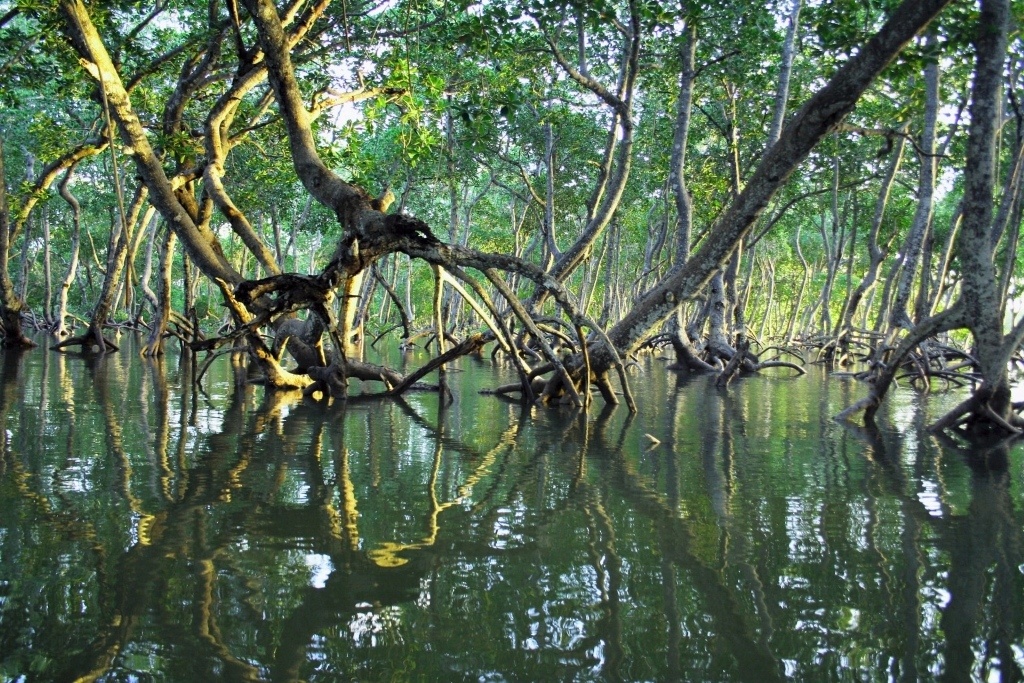
Mida Creek mangroves, Malindi, Kenya. By Timothy K (CC0) via Unsplash. https://unsplash.com/photos/1CiE1x4dHIY

Kev­in Phun passes a sus­tain­ab­il­ity lens over con­cerns about man­grove forests to determ­ine what it would take for our travel & tour­ism industry to be a respons­ible con­trib­ut­or to pro­tect­ing and restor­ing them. It’s his third “Good Tour­ism” Insight.  Man­groves are import­ant to coastal com­munit­ies. They shield them from the worst effects of strong winds, […]

Read More How can tourism protect & promote mangroves?

Wild urban spaces: Rethinking ecotourism as a mass tourism product

July 15, 2021

'Urban Jungle' by Pelle Sten (CC BY 2.0) via Flickr. https://www.flickr.com/photos/pellesten/5655438695

What if the ‘mass’ travel & tour­ism activ­it­ies of cit­ies and cit­izens were ‘sus­tain­able’? Could any of it be coun­ted as ‘eco­tour­ism’? Sudip­ta K Sarkar explores these ques­tions in this “Good Tour­ism” Insight. [Thanks to Jim Butcher for invit­ing Dr Sarkar to write a “GT” Insight.] After more than a year of the COVID-19 pandemic, […]

Read More Wild urban spaces: Rethinking ecotourism as a mass tourism product

Where next for wildlife conservation, ecotourism, & community well-being?

July 6, 2021

Tim the tusker. (c) Beth Allgood

In many places, improved rela­tion­ships between tour­ism oper­a­tions, wild­life, and hab­it­ats were start­ing to deliv­er more sus­tain­able out­comes, includ­ing the par­ti­cip­a­tion of loc­al people. Then COVID-19 …  “Good Tour­ism” Insight Part­ner Plan­et Hap­pi­ness invited con­ser­va­tion and com­munity devel­op­ment expert Beth All­good to share her thoughts in this exclus­ive “GT” Insight. See­ing wild­life in their nat­ive habitat […]

Read More Where next for wildlife conservation, ecotourism, & community well-being?

From the ashes: The role of solidarity in Binna Burra’s tourism recovery

May 13, 2021
One Comment

Binna Burra terrace sunset. Image supplied by author.

After a dev­ast­at­ing fire fol­lowed by glob­al pan­dem­ic, the ongo­ing recov­ery of Binna Burra Lodge in Queens­land, Aus­tralia was­n’t pos­sible without the sup­port of people near and far who feel a con­nec­tion to the place, its his­tory, and its land­scape. The story illus­trates the power and value of good­will, an intan­gible asset that mani­fes­ted at […]

Read More From the ashes: The role of solidarity in Binna Burra’s tourism recovery

Deeper than buzz: ‘Slow tourism’ in the Monti Sibillini

April 29, 2021
One Comment

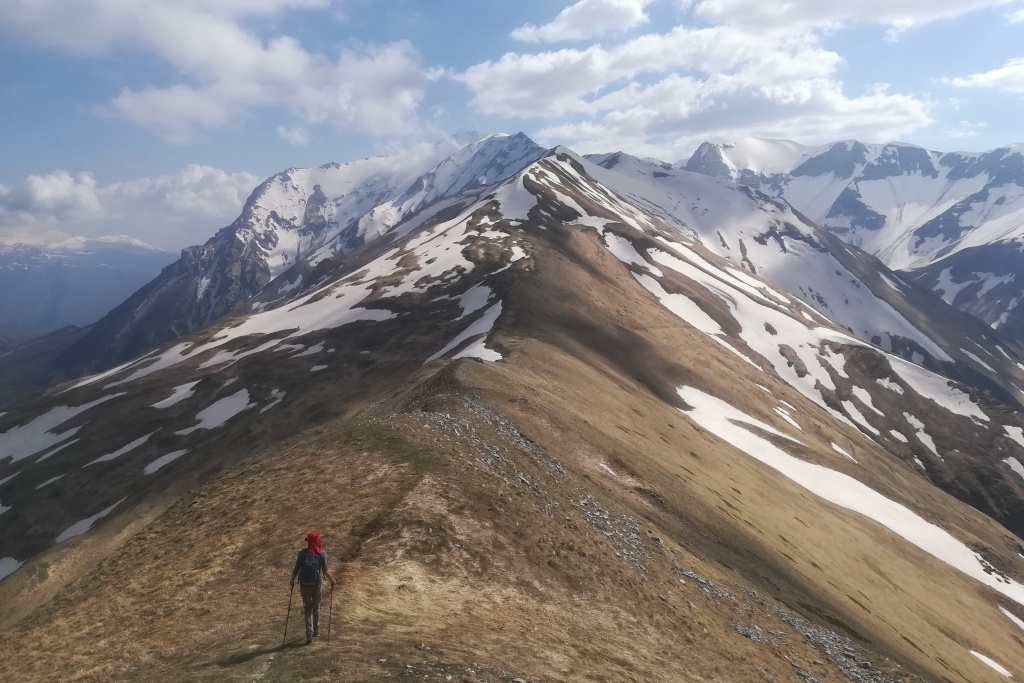
Lone hiker in the Monti Sibillini National Park. Photo courtesy of (c) Roberto Aureli.

Slow and steady … not too much change and nev­er too quickly … order and mod­er­a­tion … respect for long-stand­ing sources of susten­ance and shel­ter … pride in cul­ture, her­it­age, and tra­di­tion … Con­ser­vat­ive val­ues are often com­pat­ible with sus­tain­ab­il­ity in rur­al set­tings. Marco Ramaz­zo­tti dis­cov­ers that the buzz phrase ‘slow tour­ism’ describes what Monti […]

Read More Deeper than buzz: ‘Slow tourism’ in the Monti Sibillini

Prepare now for a surge in ecotourism demand with a CRTS workshop


Termas Geométricas, Coñaripe, Panguipulli, Chile. By J Balla Photography (CC0) via Unsplash. https://unsplash.com/photos/jpyJeOg4BnI

Eco­tour­ism is in high demand right now in places where phys­ic­ally-dis­­tanced out­door activ­ity is pos­sible. And when the world finally breaks its COVID shackles, those who have been locked down for months in urb­an envir­on­ments will likely be des­per­ate for a taste of nature. To help pre­pare stake­hold­ers for that surge, The Centre for Responsible […]

Read More Prepare now for a surge in ecotourism demand with a CRTS workshop