Gastronomic Gaborone: Can culinary innovation co-exist with authenticity?

In Gaborone, Botswana, the food scene is transforming, blending indigenous ingredients with modern gastronomy. As Gaborone reimagines traditional Setswana flavours for the tourist palate, Delly Chatibura and Brighton Hurombo ask: Can culinary innovation co-exist with the communal spirit of the past?
Thanks to “Good Tourism” Insight Partner Tourism’s Horizon: Travel for the Millions for inviting Dr Chatibura and Dr Hurombo to share this delectable “GT” Insight. [You too can share.]
A new taste of tradition
Gaborone’s culinary landscape is undergoing a quiet transformation.
Once defined partly by Westernised dishes — hamburgers, pizza, and fast-food outlets — the city is witnessing a traditional-gourmet awakening; one that reimagines traditional Setswana flavours through the lens of modern gastronomy.
Innovative dishes, including beef liver sauce with korong (a type of whole wheat) and grilled chicken with lethlodi (traditional green lentils), are notable examples.
But as this renaissance unfolds, a pressing question arises: can culinary innovation co-exist with authenticity?
Chef Mpho’s reflection: The soul of Setswana cuisine
Last week, we came across a LinkedIn post by Chef Mpho Motlalekgosi, a consultant chef in Francistown, regarding seswaa; Botswana’s national pounded beef dish.
Reflecting on the elevation of traditional cuisine, she wrote:
“Traditional Setswana cuisine was never meant to be ‘elevated’. It was survival food, celebration food, community food. When my grandmother cooked bogobe [sorghum porridge] in her three-legged pot, she wasn’t thinking about presentation. […] Seswaa became tender not through sous vide precision, but through patience born of necessity. […]
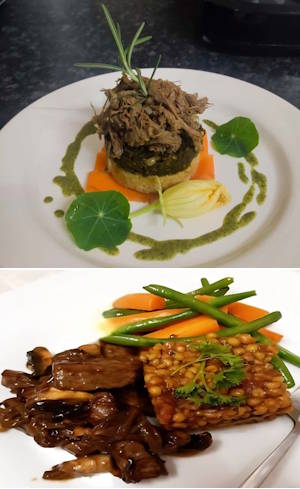
“Now I serve this same seswaa on white porcelain to tourists who photograph it before eating. I’ve added microgreens and foam, justified the price point with ‘artisanal’ sourcing.
“The profit margins work but something essential gets lost in translation.
“What happens when we take food rooted in survival and community and transform it into individual fine dining experiences? When we remove the shared pot, the eating with hands, the stories passed down with every meal?
“I’m not anti-progress. I’m proud that Setswana cuisine is finally getting recognition beyond our borders. But I wonder: are we elevating our food culture, or are we sanitising it? Are we honouring our ancestors’ ingenuity or packaging their necessity for palates that have never known hunger?”

The development of seswaa as Botswana’s national dish results from a combination of specialised skills, social and historical significance, and commitment.
Traditionally, seswaa is a delicacy reserved for social events such as funerals and weddings. Preparing it requires unique cooking techniques to achieve the ideal texture — a balance between dry and moist. At tribal meetings and in certain districts, the responsibility of preparing seswaa is entrusted to a respected group within the community who have perfected their skills over time.
As such, the dish represents the essence of Botswana’s culinary heritage, embodying the country’s history, prestige, and honour.
The Kgale Hill gourmet experience: Where tradition climbs higher
Transitioning from Chef Mpho, and her contentions of seswaa, to the outdoors, Gaborone’s culinary experimentation extends beyond the plate.
The Kgale Hill Hike and Gourmet Picnic Experience represents a new way of blending gastronomy with nature. Hikers take in scenic views of Gaborone Dam, indigenous vegetation, and distant mountains along the South African border, often meeting Cape baboons and black eagles along their trails.
This guided 45 to 60-minute hike to the summit of Kgale Hill — Gaborone’s ‘sleeping giant’ — culminates in a scenic feast. Upon descent, hikers are welcomed to a picnic of artisan cheeses (like cheddar and creamy brie), fresh bread, and fruits, blending natural and traditional outdoor recreation with non-traditional food.
Although the hill is only 1,287 metres (4,222 ft) above sea level, scaling it is a traditional pastime for locals. Adding the picnic for tourists has ‘elevated’ it perhaps; certainly transformed it. Yet, this transformation raises important questions about the balance between preserving cultural authenticity and catering to modern tastes.
Authenticity meets ambition
Reflecting on Chef Mpho’s LinkedIn comments, we considered the dilemma destination managers face when promoting local food cultures: battling authenticity, uniqueness, and contemporaneity all at once.
With Gaborone embracing the City Tourism Initiative—a government programme introduced in September 2025 by the Ministry of Environment and Tourism to diversify tourism products — these questions take centre stage.
- Should local dishes, like seswaa and serobe (diced, boiled sweetbreads or offal), be ‘elevated’ to culinary modernity to serve a growing tourist niche?
- Can they serve as vehicles of tourism diversification while maintaining their unique traditional flavours?
While gourmet experiences like ‘foamed seswaa’ and the Kgale Hill picnic offer a fresh perspective, they risk diluting the communal essence that traditional meals embody.
For seswaa and other dishes, to what extent can authenticity be spared at the expense of culinary innovation?
Gaborone city at a culinary crossroads
Gaborone stands at a culinary crossroads where gourmet tourism can flourish alongside a commitment to authenticity.
As more chefs and tour operators embrace the challenge of elevating traditional cuisine, the city’s dining scene can become a vibrant tapestry reflecting both rich heritage and future aspirations. By honouring the past while innovating for the present, Gaborone can carve out a niche as a culinary destination that truly celebrates the taste of Botswana.
Preserving the communal spirit by storytelling
The solution for destination managers and culinary innovators may lie in creating dining experiences that honour the history of Botswana’s cuisine while appealing to a global audience through storytelling.
The narratives behind traditional dishes can be preserved by infusing storytelling elements into culinary experiences. As guests savour each bite, they can learn about the ingredients’ origins, the significance of preparation methods, and the communal elements of the meal.
Cooking as cultural education
Another avenue for preserving authenticity is through culinary education and workshops.
These initiatives can introduce locals and tourists to traditional cooking techniques, emphasising the communal and historical aspects of food preparation. By teaching the art of preparing traditional dishes, chefs can create a sense of pride in local cuisine while providing tourists with hands-on experiences that deepen their understanding of Botswana’s heritage.
Conclusion: Striking the right balance
For Gaborone — through the recently introduced City Tourism Initiative — and for Botswana as a whole, the path forward lies in striking a delicate balance.
It is a balance that respects and honours the cultural significance of traditional meals like seswaa, while embracing the creativity that modern gourmet experiences offer. Through this effort, Gaborone can ensure its culinary renaissance is not just a trend, but a sustainable celebration of its diverse food culture.
What do you think?
Share your thoughts about the tension between preserving tradition / authenticity and meeting contemporary / tourist expectations in a comment below.
(SIGN IN or REGISTER first. After signing in you will need to refresh this page to see the comments section.)
Or write a “GT” Insight or “GT” Insight Bite of your own. The “Good Tourism” Blog welcomes diversity of opinion and perspective about travel & tourism, because travel & tourism is everyone’s business.
“GT” doesn’t judge. “GT” publishes. “GT” is where free thought travels.
If you think the tourism media landscape is better with “GT” in it, then please …
About the authors


Delly Chatibura is a lecturer in hospitality management at the University of Botswana. She supports research that advances practical and sustainable gastronomic experiences in the hospitality industry and advocates for the recognition of Africa’s traditional culinary heritage in tourism. Dr Chatibura welcomes collaboration.
Brighton Hurombo is a lecturer in the Department of Tourism and Hospitality Management at the University of Botswana. He holds a PhD in Tourism Management, a Masters in Tourism and Hospitality Management, and a BSc in Tourism and Hospitality Management. Among Dr Hurombo’s research interests are gastronomy, universal accessibility, and what makes tourism experiences memorable.
Featured image (top of post)
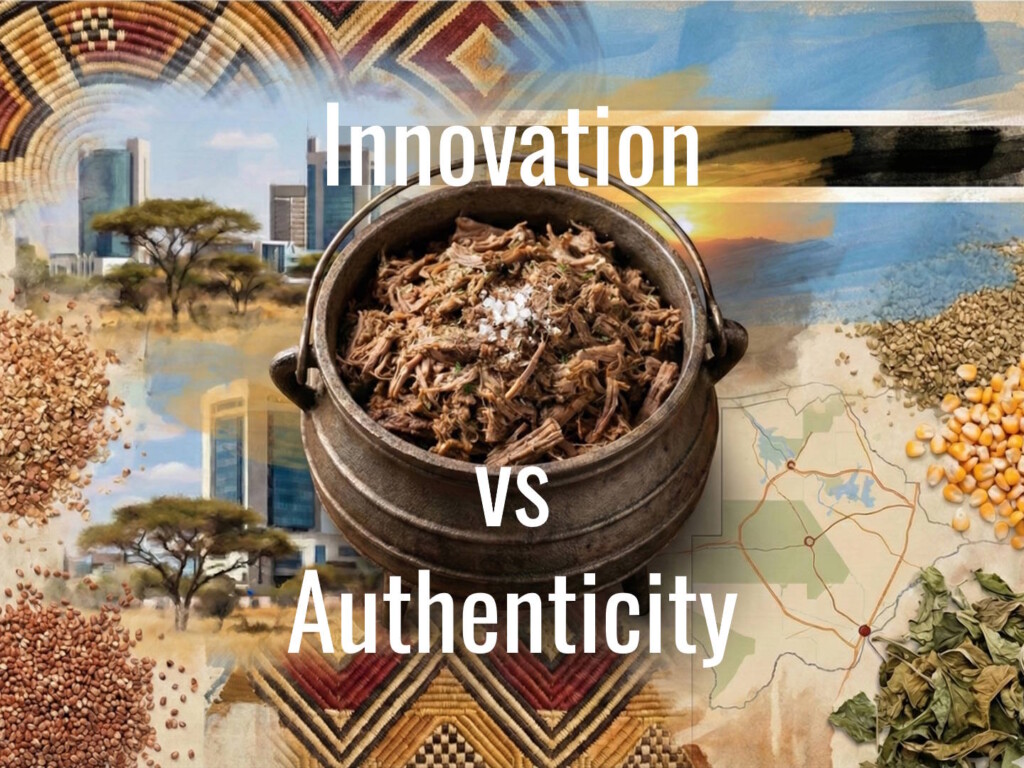
Gastronomic Gaborone: Can culinary innovation co-exist with authenticity? Image by Gemini featuring seswaa (pounded beef), the national dish of Botswana. “GT” added the words.