Sustainable tourism and regenerative tourism

Scroll down for posts that have been tagged with “sus­tain­able tour­ism and regen­er­at­ive tourism”.

Sus­tain­able tour­ism “takes full account of its cur­rent and future eco­nom­ic, social and envir­on­ment­al impacts, address­ing the needs of vis­it­ors, the industry, the envir­on­ment and host com­munit­ies”, accord­ing to the United Nations World Tour­ism Organ­iz­a­tion (UNWTO)Regen­er­at­ive tour­ism chal­lenges and/or extends the concept of sus­tain­able tourism.

The con­cepts of sus­tain­able tour­ism and regen­er­at­ive tour­ism have emerged as a response to the neg­at­ive impacts that tour­ism can have on the envir­on­ment, eco­nomy, and society.

The 1987 Report of the World Com­mis­sion on Envir­on­ment and Devel­op­ment, also known as the Brundtland Report, defined sus­tain­able devel­op­ment as “devel­op­ment that meets the needs of the present without com­prom­ising the abil­ity of future gen­er­a­tions to meet their own needs.”

This idea was later applied to tour­ism. The concept of sus­tain­able tour­ism was born to ensure that tour­ism activ­it­ies are car­ried out in a way that does not deplete nat­ur­al resources or harm loc­al communities.

Regen­er­at­ive tour­ism is a more recent devel­op­ment. It builds upon the prin­ciples of sus­tain­able tour­ism, but goes fur­ther by striv­ing to cre­ate pos­it­ive impact on the envir­on­ment, eco­nomy, and society.

Accord­ing to the book Regen­er­at­ive Tour­ism: Prin­ciples, prac­tices and implic­a­tions by Paul Peeters and Peter Neuwirth, the term ‘regen­er­at­ive tour­ism’ was first intro­duced in 2012. The authors define regen­er­at­ive tour­ism as a “hol­ist­ic approach to tour­ism devel­op­ment that seeks to cre­ate a pos­it­ive impact on the envir­on­ment, eco­nomy and soci­ety, and to regen­er­ate the des­tin­a­tions in which it operates”.

The United Nations World Tour­ism Organ­iz­a­tion (UNWTO) has played a key role in pro­mot­ing sus­tain­able tour­ism through the devel­op­ment of guidelines, policies, and best prac­tices, such as the UNWTO Glob­al Code of Eth­ics for Tour­ism (1999) and the UN Sus­tain­able Devel­op­ment Goals (2015)

It’s import­ant to note that these ref­er­ences are not exhaust­ive, as there are many oth­er sources of inform­a­tion on sus­tain­able tour­ism and regen­er­at­ive tour­ism, such as on The “Good Tour­ism” Blog.

At the end of a con­ver­sa­tion in August 2020 about the dif­fer­ences between sus­tain­able tour­ism and regen­er­at­ive tour­ism ― when asked to give the lift (elev­at­or) defin­i­tion of regen­er­at­ive tour­ism ― “Good Tour­ism” Friend Susanne Beck­on said: “Give back more than you take.”

At an eco­tour­ism con­fer­ence in Decem­ber 2020, Anna Pol­lock said there is a jour­ney we must all embark upon if the travel & tour­ism industry is to move from degen­er­at­ive busi­ness-as-usu­al to regen­er­at­ive flour­ish­ing and thriv­ing. The route, she reck­ons, is via notions of “green”, “sus­tain­able”, and “res­tor­at­ive” in that order.

Since August 2020 “GT” has used the same tag for both sus­tain­able tour­ism and regen­er­at­ive tour­ism. Tags are inform­al. The “Good Tour­ism” Blog tries not to get bogged down with ter­min­o­logy and defin­i­tions so you may dis­agree with tags applied (or not applied) to a post. Feel free to com­ment on the post. “GT” encour­ages good-faith debate and discussion.

The cause of overtourism & how tourism can avoid choking on success

February 19, 2019
2 Comments

Tourist go home messages are getting louder and more frequent as overtourism becomes a problem too big to ignore. Image by Duncan Hull (CC BY 2.0) via Flickr https://www.flickr.com/photos/dullhunk/29569046192

World Tour­ism Asso­ci­ation for Cul­ture & Her­it­age (WTACH) Pres­id­ent & CEO Chris Flynn weighs in on the over­tour­ism dis­cus­sion in this “Good Tour­ism” Insight. Mr Flynn iden­ti­fies the cause of over­tour­ism and how the tour­ism industry might avoid more of it. We are hear­ing more and more about “over­tour­ism” and the neg­at­ive impact it is having […]

Read More The cause of overtourism & how tourism can avoid choking on success

Balearic Islands’ new climate change law to reduce reliance on tourism

February 13, 2019

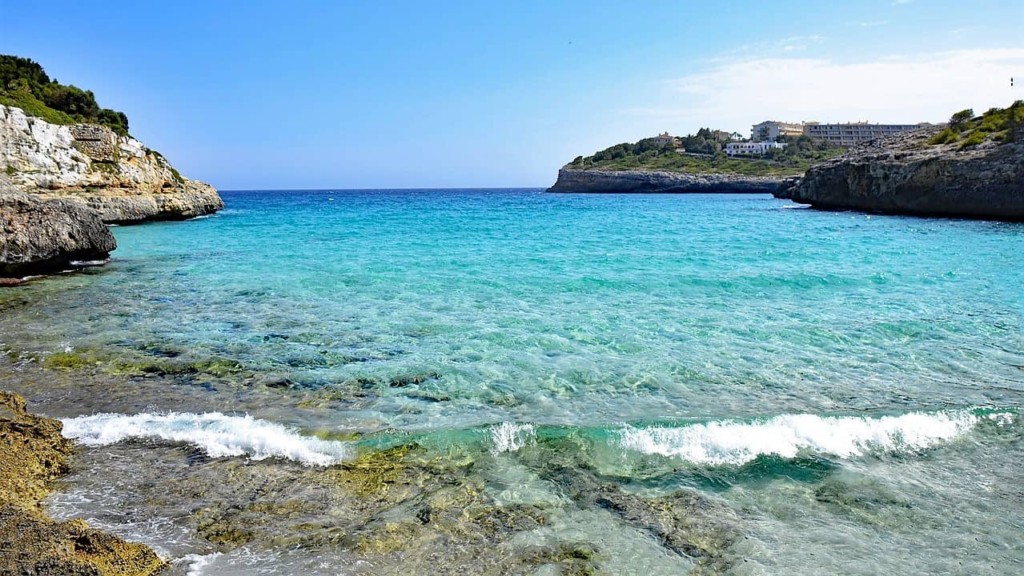
Popular tourism beach Cala Anguilla, Majorca, Balearic Islands, Spain. Image by lapping via Pixabay https://pixabay.com/en/cala-anguila-mallorca-1998320/

Spain’s Balear­ic Islands has approved a cli­mate change law that com­mits the pop­u­lar tour­ism des­tin­a­tion to sourcing all its energy from renew­ables by 2050. Balear­ic Islands pres­id­ent Fran­cina Armen­gol said the new law was “an oppor­tun­ity to rein­force our brand as a sus­tain­able des­tin­a­tion”. Balear­ic Islands energy min­is­ter Marc Pons reck­ons the law is part of […]

Read More Balearic Islands’ new climate change law to reduce reliance on tourism

Businesses think they’re on top of carbon risk, but tourism destinations have barely a clue: Professor

February 10, 2019

Tourism accounts for approximately 8% of emissions, much of it from planes ... A Qantas Boeing 747-400 flying at approximately 11,000 metres over Starbeyevo in Moscow, May 2010. By Sergey Kustov http://www.airliners.net/photo/Qantas/Boeing-747-438/1729381/L/ (CC BY-SA 3.0) via Wikimedia. https://commons.wikimedia.org/w/index.php?curid=16496086

Less energy- and car­­bon-intens­ive slow travel could be the future of tour­ism in far-flung des­tin­a­tions, accord­ing to Susanne Beck­en of Grif­fith Uni­ver­sity. The dir­ect­ors of most Aus­trali­an com­pan­ies are well aware of the impact of car­bon emis­sions, not only on the envir­on­ment but also on their own firms as emis­­sions-intens­ive indus­tries get lumbered with taxes […]

Read More Businesses think they’re on top of carbon risk, but tourism destinations have barely a clue: Professor

Overtourism overturned: How Calviá, Majorca turned its tourism fortunes around

February 8, 2019
6 Comments

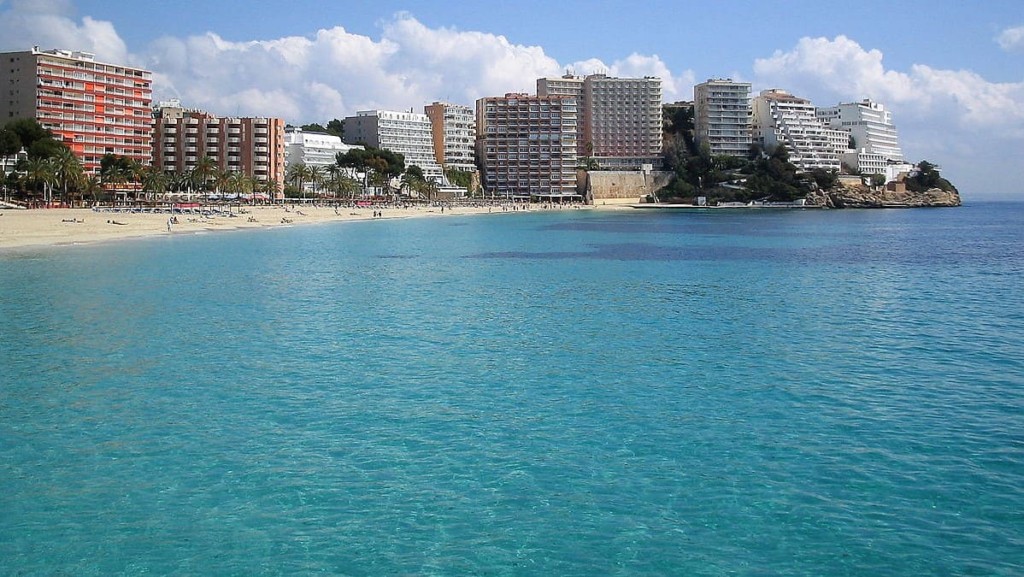
Overtourism no more? The beach at Magalluf, a major holiday resort in the municipality of Calviá Wikimedia. By Rafael Ortega Díaz (CC BY-SA 3.0) via Wikimedia. Cropped and enhanced by "GT". https://commons.wikimedia.org/w/index.php?curid=1899528

Richard Shep­ard reck­ons “over­tour­ism” is an old prob­lem and that there are plenty of proven solu­tions. As he dis­cusses in this “GT” Insight, all that’s required is the “polit­ic­al and social will” to imple­ment them.  “Tour­ists go home” That’s not a rarely heard sen­ti­ment lately. You might think that over­tour­ism, based on the head­lines this past year, […]

Read More Overtourism overturned: How Calviá, Majorca turned its tourism fortunes around

We’re in the era of overtourism but there is a more sustainable way forward: Professor

February 7, 2019

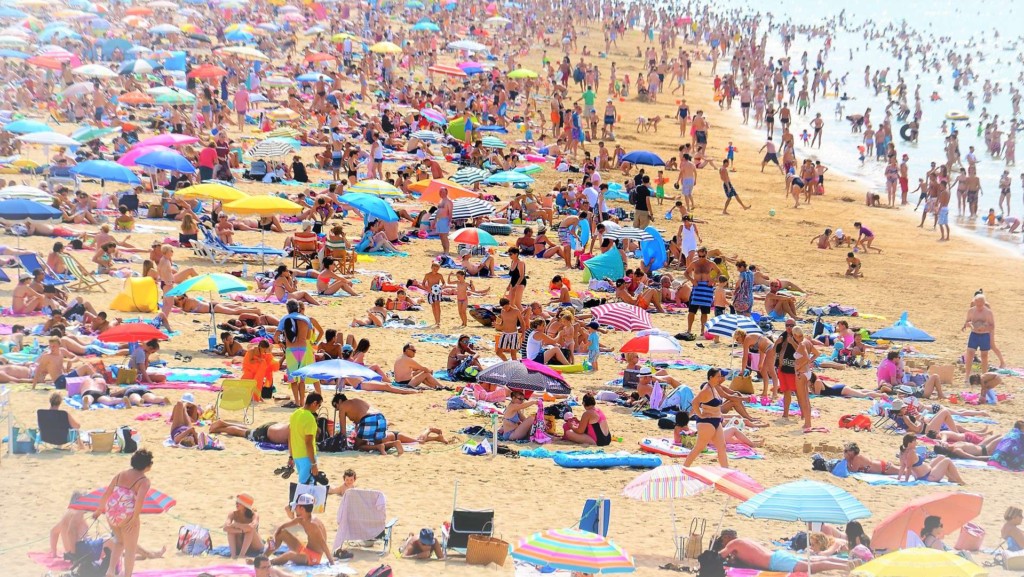
Overtourism leads to overcrowding. What to do? Bans? Entrance fees? (Image by pierrelaurentdurantin via Pixabay cropped and enhanced by "GT".) https://pixabay.com/en/beach-world-sun-crowd-654641/

Over­tour­ism can be fixed or mit­ig­ated by tak­ing more ser­i­ously the Sus­tain­able Devel­op­ment Goals, accord­ing to Regina Scheyvens of Mas­sey Uni­ver­sity. If you live in a tour­ist des­tin­a­tion, you might dread the hol­i­day inva­sion. Like­wise, dis­gruntled tour­ists com­plain about crowded and pol­luted beaches, nation­al parks or attrac­tions.  Over­tour­ism is now a ser­i­ous issue in many […]

Read More We’re in the era of overtourism but there is a more sustainable way forward: Professor

From smarter energy to less plastic, Caribbean resorts go green

February 6, 2019

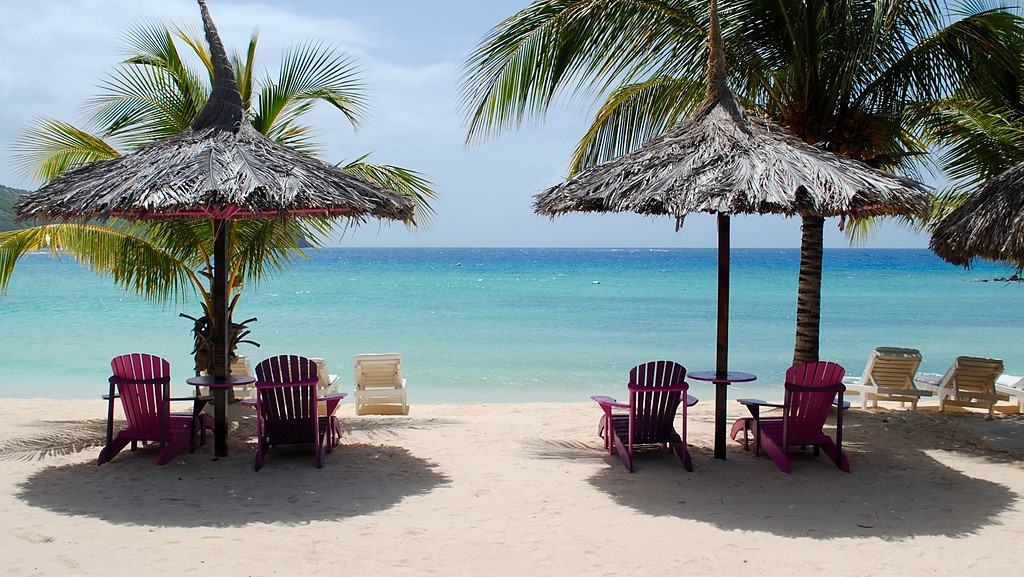
Generic Caribbean tourism beach scene

At home in the United States, Ker­rie Spring­er takes pride in being envir­on­ment­ally con­scious. So when she booked a week’s get­away at the Bucuti and Tara Beach Resort in Aruba, she choose the “green stay” option, agree­ing to reuse her sheets and tow­els rather than have them changed each day. “You don’t do that at home, […]

Read More From smarter energy to less plastic, Caribbean resorts go green