Ecotourism and nature-based tourism

Scroll down for posts that have been tagged with “eco­tour­ism and nature-based tourism”.

Eco­tour­ism is respons­ible travel to nat­ur­al areas that con­serves the envir­on­ment, sus­tains the well-being of the loc­al people, and cre­ates know­ledge and under­stand­ing through inter­pret­a­tion and edu­ca­tion of all involved (vis­it­ors, staff and the vis­ited)” ― Glob­al Eco­tour­ism Net­work, 2016; What is (and what isn’t) eco­tour­ism.

Eco­tour­ism is a type of tour­ism that has a very low impact on the nat­ur­al sur­round­ings. It aims to pro­mote con­ser­va­tion and edu­ca­tion, while provid­ing vis­it­ors with an oppor­tun­ity to exper­i­ence unique nat­ur­al land­scapes and wildlife.

Eco­tour­ism could be though of as a sub-cat­egory of nature-based tour­ism, which the Travel Industry Dic­tion­ary defines as: “Leis­ure travel under­taken largely or solely for the pur­pose of enjoy­ing nat­ur­al attrac­tions and enga­ging in a vari­ety of out­door activ­it­ies.” Nature-based tour­ism includes a wide range of out­door activ­it­ies, such as hik­ing, camp­ing, bird­watch­ing, and wild­life safar­is, that are very much embed­ded with­in nat­ur­al environments.

Both forms of tour­ism focus on explor­ing nat­ur­al envir­on­ments in a sus­tain­able and respons­ible way, with the goal of pre­serving them for future generations.

Eco­tour­ism and nature-based tour­ism are gain­ing pop­ular­ity around the world. They provide oppor­tun­it­ies for trav­el­lers to learn about loc­al eco­sys­tems and appre­ci­ate nat­ur­al beauty. By enga­ging in respons­ible and sus­tain­able tour­ism prac­tices through eco­tour­ism and nature-based activ­it­ies, trav­el­lers can feel that they are pro­tect­ing the envir­on­ment (and sup­port­ing loc­al com­munit­ies). (Both types of tour­ism have the poten­tial to offer sig­ni­fic­ant bene­fits to loc­al com­munit­ies, as they offer incent­ives and oppor­tun­it­ies for loc­als to con­serve their nat­ur­al resources for a sus­tain­able eco­nom­ic benefit.)

Tags are inform­al; an after­thought to con­tent cre­ation. The “Good Tour­ism” Blog nev­er gets bogged down with tag­ging accur­acy or con­sist­ency. Feel free to com­ment on any post you think has been incor­rectly or insuf­fi­ciently tagged. “GT” encour­ages good-faith debate and dis­cus­sion and appre­ci­ates help­ful feedback.

Could a primate be driven to extinction by “ecotourism”?

May 26, 2017

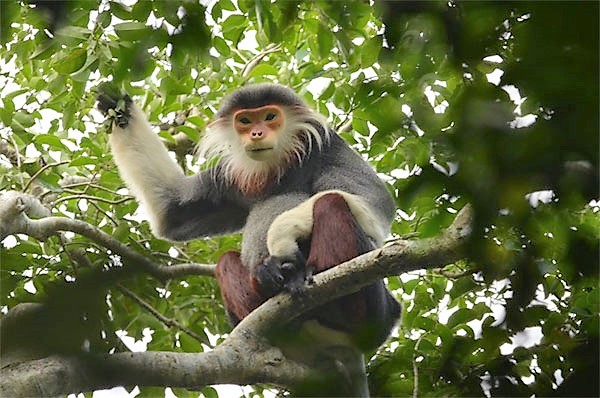
Could the endangered red-shanked douc langur ('Pygathrix nemaeus') be pushed to extinction by ecotourism? Source: GreenViet

Sci­ent­ists have warned that an endangered prim­ate may be pushed into extinc­tion by the devel­op­ment of con­crete build­ings for, iron­ic­ally, a “lux­ury eco-tour resort com­plex”. Some 237 herds of red-shanked douc langurs (Pygath­rix nemaeus), com­pris­ing more than 1,300 indi­vidu­als, are liv­ing in the Sơn Trà Nature Reserve in Đà Nẵng, Viet­nam, reports VNS. The Da […]

Read More Could a primate be driven to extinction by “ecotourism”?

Apo Island, Philippines to levy new fees on tourists

May 25, 2017

Sea turtle 'pawikan' off the shores of Apo Island. Source: Wikimedia / Jun V Lao

The famed dive des­tin­a­tion of Apo Island in Dauin, Negros Ori­ent­al, Phil­ip­pines, will levy new fees for tour­ists, accord­ing to the Phil­ip­pine News Agency. The fees, agreed upon by the Pro­tec­ted Area Man­age­ment Board (PAMB), would include moor­ing fees for boats used by tour­ists; for diving, swim­ming, snorkel­ing and oth­er activ­it­ies. Jose Bry­an Arranguez, Community […]

Read More Apo Island, Philippines to levy new fees on tourists

On biodiversity day is it OK to ask: “Are people wildlife too?”

May 22, 2017

idb 2017 logo en2 mark

Today (May 22) is the Inter­na­tion­al Day for Bio­lo­gic­al Diversity (biod­iversity day). This year, the United Nations (UN) has linked the day with tour­ism under the theme “Biod­iversity and Sus­tain­able Tour­ism”; chosen to coin­cide with the Inter­na­tion­al Year of Sus­tain­able Tour­ism for Devel­op­ment. The UN web page about the day states: “Diversity in spe­cies, ecosystems […]

Read More On biodiversity day is it OK to ask: “Are people wildlife too?”

Price hikes for Rwandan gorilla treks inevitable

May 17, 2017

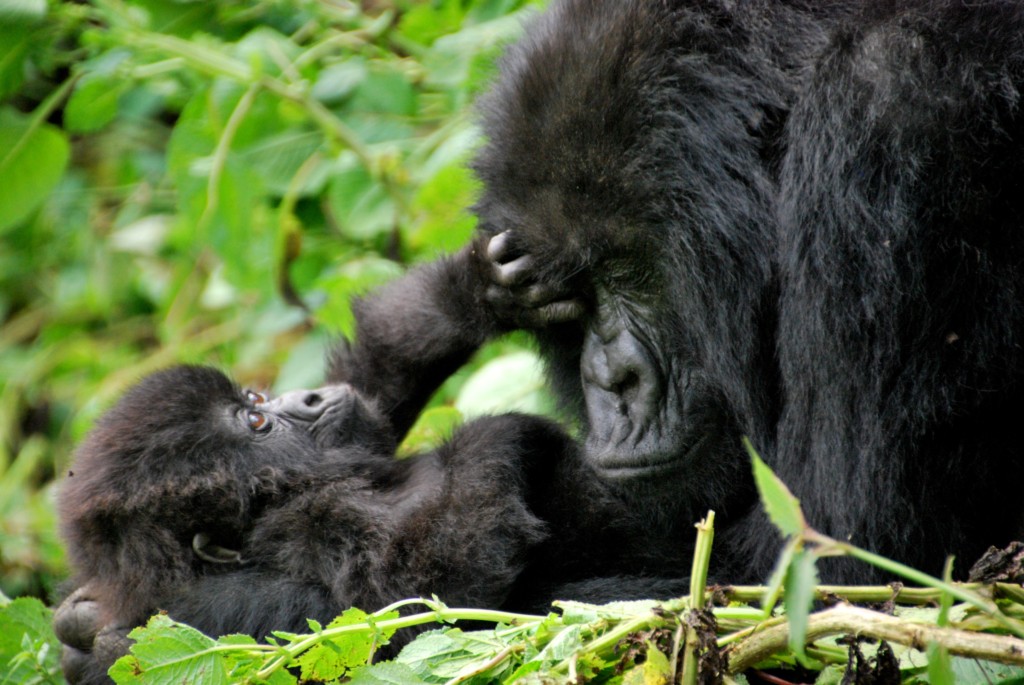
Mother and baby mountain gorillas, Volcanoes National Park, Rwanda. Source: Wikimedia / Carine06

The Chief Tour­ism Officer at the Rwanda Devel­op­ment Board, Bel­ise Kariza, has copped a little bit of cri­ti­cism from com­ment­at­ors after attempt­ing to jus­ti­fy new high­er tar­iffs for moun­tain gor­illa trekking activ­it­ies. In a column Kariza wrote for The New Times, she states: “The primary object­ive of these revised tar­iffs is to ensure the long-term […]

Read More Price hikes for Rwandan gorilla treks inevitable

Guyana community-based tourism: “Partnership in development”

May 16, 2017

Moraikobai community members

The only indi­gen­ous com­munity in Guyana’s Region Five is being touted by GINA, the Gov­ern­ment Inform­a­tion Agency, as an emer­ging com­munity-based tour­ism des­tin­a­tion. With a pop­u­la­tion of just over 1,200, Moraikobai is loc­ated on the Maha­icony River, about four hours by boat from the Guyanese cap­it­al Geor­getown. As repor­ted by GINA, Guyana’s Vice Pres­id­ent and […]

Read More Guyana community-based tourism: “Partnership in development”

In India, where tigers are neighbours

May 13, 2017

“Not long ago, the Chenchus were caught in the crossfire between Maoists and the anti-Naxal force of the Andhra Pradesh police. The recent National Tiger Conservation Authority order puts them into yet another uncertain phase.” | Photo Credit: V. RAJU

While inaug­ur­at­ing the Nal­lamala Jungle Camp, a com­munity-based eco­tour­ism ini­ti­at­ive, Deputy Chief Min­is­ter K E Krish­namurthy of Andhra Pra­desh state in India hailed the Chen­chu people for pre­serving their cul­ture and iden­tity. This feel-good start to a May 11 news story by The Hans India gets bet­ter; Chen­chu mem­bers will teach vis­it­ors to Nal­lamala Jungle […]

Read More In India, where tigers are neighbours