
Going off track to find the right path for Himalayan tourism
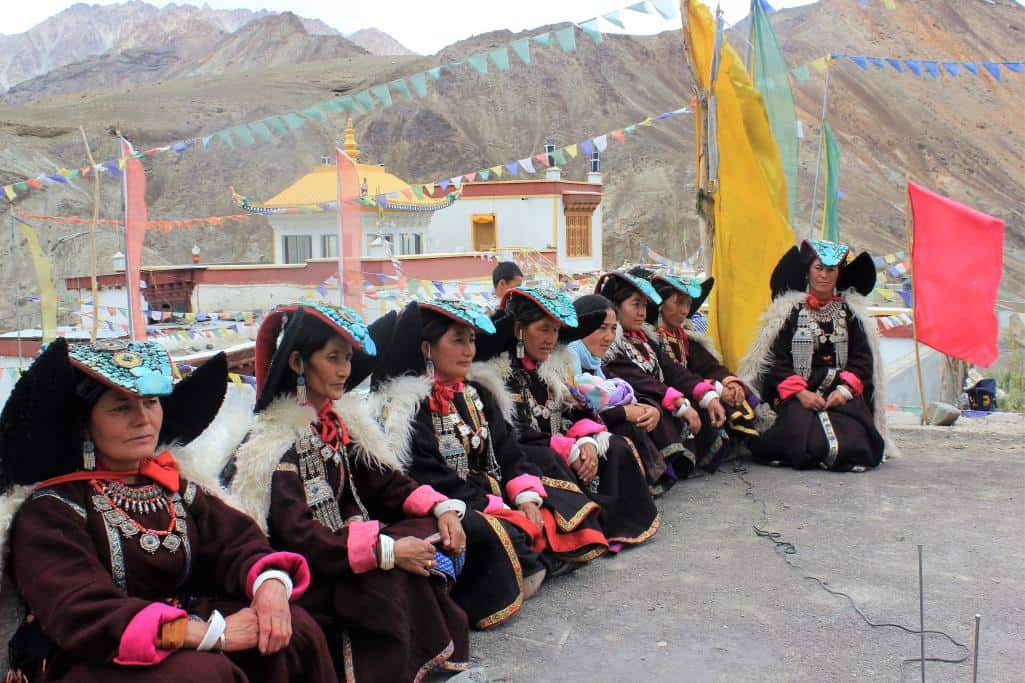

Vandana Vijay’s Offbeat Tracks launched in 2016 to spread the concept of experiential travel and sustainable community-based ecotourism in India, especially among rural communities in the Himalayas. In this “Good Tourism” Insight, Ms Vijay offers examples of how she translates her travel & tourism philosophy into action.
UPDATE, June 2021: Prompted by “GT”, Ms Vijay offered the following update to her October 2017 “GT” Insight:
The years 2020 – 21 are watershed years in the history of the world and have caused radical changes in the ways people work. For many jobs and professions, gone are the days when one is required to commute, clock in, and sit for hours at an office desk. In the digital age, all they need is an active internet connection, a laptop or a mobile phone, and they are set to make any place their workplace. This has created a new product in the experiential travel space: The ‘workation’.
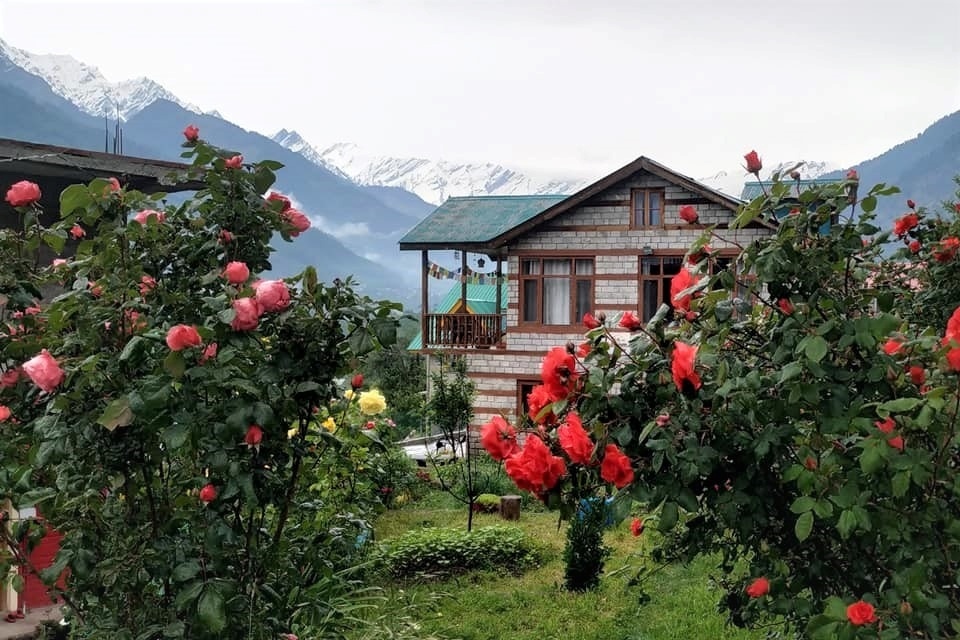
As the name suggests, workations combine long vacations with continued work. The remote rural homestays we work with in the Himalayas, such as this one, turn out to be good options for this new emerging market. The homestays provide a source of income for their communities too, because they are truly local in their operation and execution. Indeed because homestay-based workations facilitate visitors’ immersion in local culture, they would be a fourth item on my list of ways to promote experiential travel in India and the Himalayas were I to write this “GT” Insight today.
With that update noted, Ms Vijay is happy for her “GT” Insight to be given a fresh round of social media promotion.
Since our launch in 2016 we have worked inch by inch toward realising our vision of promoting experiential travel across India with a focus on skills and infrastructure development via ecotourism. We have devised three main ways to accomplish this:
- Custom-made experiential vacations with a special focus on ecotourism and communities;
- Working with academic institutions across the country to sensitise students about rural ecotourism and the business potential; and
- Using the concept of volunteer-based community initiatives and ecotourism to build out infrastructure in rural communities.
I will give examples of each of the above-mentioned models that we are working on at Offbeat Tracks.
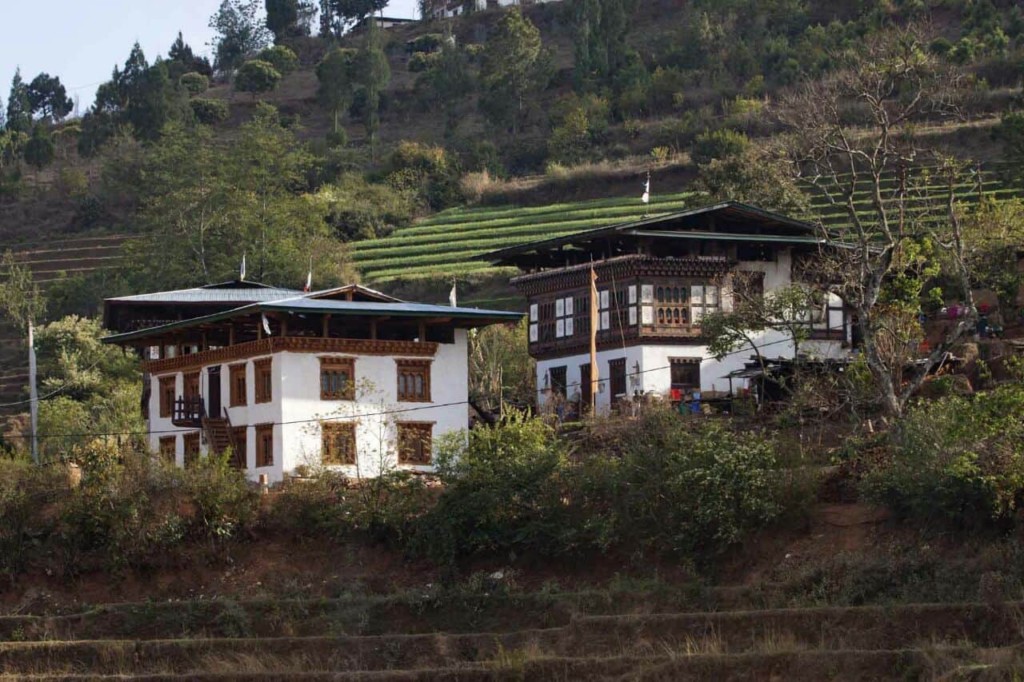
Experiential holidays focussed on ecotourism and communities
This mode of travel is something new in the Indian market but is definitely a growing niche. There are an increasing number of travellers, ranging from millennials to older generations, who are looking at gaining something more from their vacations.
Keeping this growing interest in mind, we customise and curate special vacations for our discretionary travellers. These vacations have a heavy focus on experiences and local interactions. We create itineraries wherein guests get to sample the local culture and traditions of a region, thereby having a culturally immersive experience. Our experiences range from meditation sessions with monks at monasteries, short treks, birding activities, hands-on shawl and basket weaving lessons, to culinary tours.
Guests also stay at homestays run by local host families to increase the immersive experience. To ensure they know what to expect, we tell them about the benefits of a homestay over a traditional hotel. We also educate them on the basic courtesies that they must maintain while staying at someone’s home, particularly any local customs that they should be cognizant of. Perhaps this is why we have yet to encounter any conflicts between guests and hosts.
The local communities benefit from this mode of travel in the following ways:
- By having guests stay at local homestays we encourage the tourism-based economy in the region;
- We use local transport vendors and guides to show our guests around thereby providing local service providers with an additional source of income;
- Experiences are provided by local artisans and farmers who get an additional boost to their livelihood by allowing people glimpses into their daily lives; and
- There is a huge impact on the psyche of local hosts and villagers as they develop a new-found sense of pride in showcasing their culture and way of life to the outside world!
We work with communities in different regions ranging from Ladakh in the Northern Himalayas, Sikkim and Bhutan in the Eastern Himalayas, and Assam, Nagaland and Meghalaya in the far eastern states of India. Each one of these communities has a unique culture and heritage waiting to be experienced by our travellers.
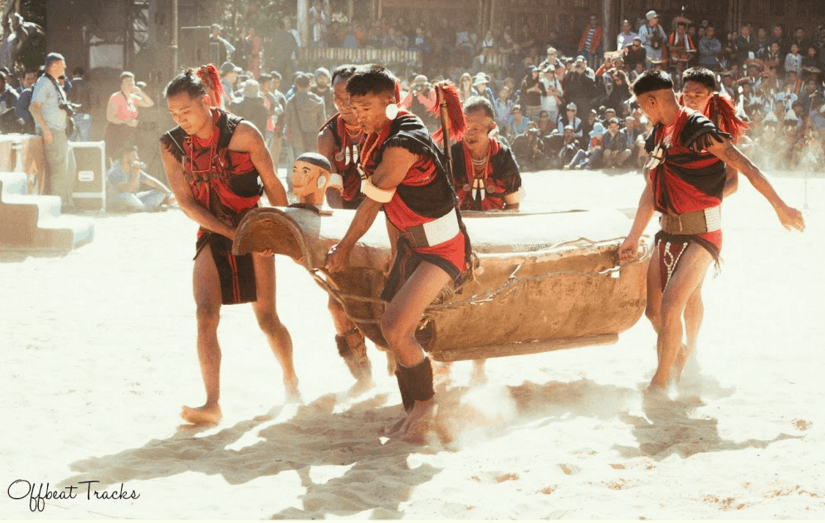
When introducing ourselves to a community, our approach varies from region to region depending on the conditions there. In some regions we work with NGOs that are already promoting ecotourism in villages. In other regions we identify villages with dynamic leaders. We train them on skill development and encourage them to create a group of local leaders who will have all the necessary skills to develop and promote their village as an ecotourism destination. For example, when we identified a village in Nagaland called Kigwema as a suitable destination for experiential travel, we worked with a local homestay owner from the village who went on to engage a community of individuals with different skills (farmers, weavers, et cetera). They got together to form an action group that would facilitate tourism experiences in their village.
Working with academic institutions
Many educational institutions in India today are offering special credits programmes with a focus on rural infrastructure and skills development. With this in mind we are introducing a new project to curate rural immersion and skills development programmes for students. The primary focus of these programmes will be to equip students with knowledge and skills in areas such as leadership, development, understanding rural markets, infrastructure, and community impact. Rather than only classroom sessions, we will ask students to devise plans that would benefit a rural community. Their plans might include waste management systems, solar power grids, medical camps, and much more. This project will roll out next year.
Building infrastructure in rural communities
We like to collaborate with infrastructure service providers especially in the field of solar power to electrify mountain communities that are off the grid.
We recently undertook a solar power project for a village in Ladakh. From July 14 – 21, 2017, Offbeat Tracks along with a group of 14 volunteers from California, worked on a rural solar electrification project in village of Takmachik in the Sham region of Ladakh, a three-hour drive from the capital city of Leh.
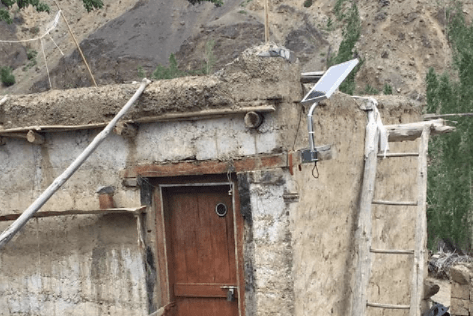
Our primary objective was to power 10 houses that were totally off the grid due to their location. These homes were a three-hour trek uphill on two ridges in the mountains. Each home was a 10-minute trek from the other. The solar units were created by middle school children in USA and crafted specially with the village and its location in mind.
The primary challenge was logistical. At the last minute our solar batteries weren’t allowed to be flown into Leh so we had to transport them by road into Ladakh which took seven days. Our solar equipment and tools weighed over 170 kg and we had to carry them into the mountains to the houses that needed to be powered. Local help and the support of a donkey was of great value here. Trekking in the arid landscape and high altitude of approximately 10,500 ft was a challenge for the group as well.
In addition to providing homes with lights, we also promoted the potential for ecotourism to help villagers with an additional source of income. Indeed during our five-day visit to the village, total earnings by the community amounted to INR 1,00,000/- (~USD 1,540) which would have given a great boost to the locals and their village economy. For our part, we learnt about their methods of organic farming and other aspects of their lives.
With the help of these three approaches we plan to engage rural communities and have everyone reap the benefits of experience-based ecotourism within India and the world.
About the author
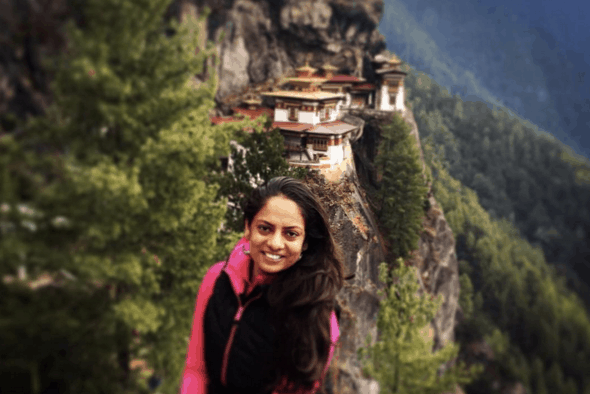
Vandana Vijay is CEO and Founder of Offbeat Tracks.
An Army Officer’s daughter, I had the privilege of growing up all over India. These varied experiences gave me a respect for the diversity in my country. With a Masters in Microbiology, I went on to work with Facebook for three years in their Business Integrity Team. It was during one of my volunteering stints in 2014 at Ladakh that I realised that I truly loved working with rural communities at the grassroots level. It was then that I decided to start on a venture of my own that combined travel with a positive impact on rural lives. This was how Offbeat Tracks came to be.
Vandana has also written for The “GT” Travel Blog.


 wpDiscuz